
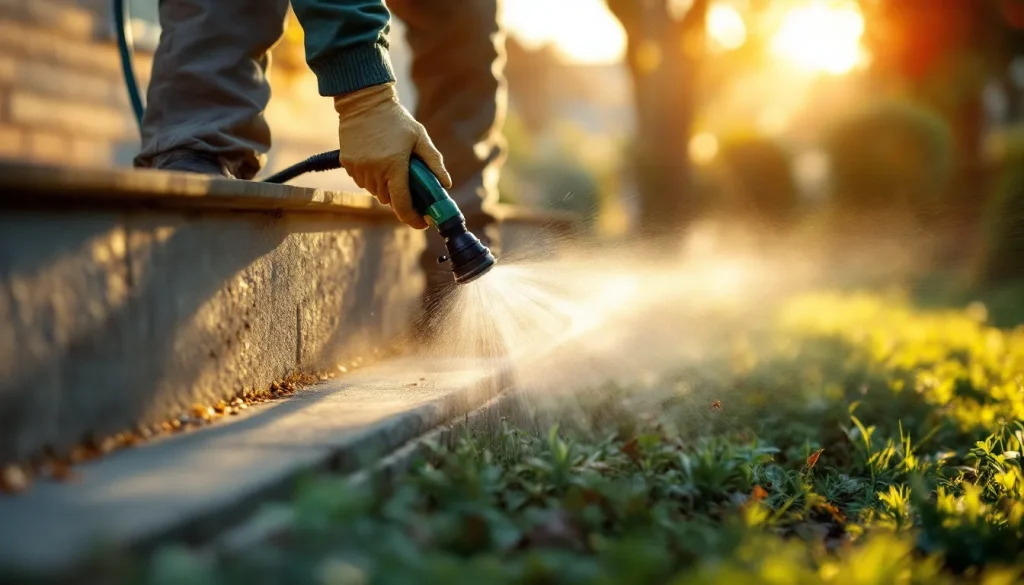
Choosing an insecticide sprayer, fast
An insecticide sprayer is a pressurized applicator that turns liquid pesticide into a controllable spray for cracks, foundations, lawns, and foliage. For most homeowners a 1 to 2 gallon handheld pump sprayer ($15 to $50) covers indoor and perimeter work. For lawns, gardens, or a route of accounts, a 4 gallon backpack or a battery sprayer with 30 to 45 feet of reach earns its price.
The choice comes down to three variables: how much area you treat, how far you need the spray to reach, and how often you spray. Match those to the sprayer type below, then set it up correctly so the chemistry works.
By the HMNDP Editorial Team. Last reviewed: June 2026.
Types of insecticide sprayers compared
There are five common sprayer designs, and each fits a different job. Handheld trigger and pump (compressed-air tank) units dominate DIY use. Backpack and battery-powered sprayers serve larger areas and pros. Hose-end sprayers trade precision for speed on broadcast lawn jobs. The table gives real 2026 spec ranges so you can compare before you buy.
| Type | Tank | Pressure / reach | Best for | Price band (2026) |
|---|---|---|---|---|
| Handheld trigger | 16 to 48 oz | Low, ~2 to 3 ft stream | Spot treatment, indoor cracks | $8 to $20 |
| Pump (compressed-air tank) | 1 to 3 gal | Up to ~40 psi, 8 to 12 ft | Perimeter, baseboards, small garden | $15 to $50 |
| Backpack (manual) | 3 to 4 gal | 40 to 90 psi, 10 to 15 ft | Lawns, larger gardens, fence lines | $60 to $150 |
| Battery / powered | 2 to 4 gal | 40 to 60+ psi, up to 30 ft | Routes, acreage, less fatigue | $90 to $350 |
| Hose-end | Uses tap water | Depends on water pressure | Fast broadcast lawn coverage | $10 to $25 |
Range is the quietest differentiator. A pro-grade battery unit like a FlowZone Typhoon can push a stream close to 30 feet, letting a technician treat a two-story eave or a wide bed from the ground. A basic pump sprayer tops out around 8 to 12 feet.
Which insecticide sprayer fits your pest scenario
Match the sprayer to the target, not to the brand. The failure mode competitors ignore is buying a 4 gallon backpack for indoor ant trails, or a 32 oz trigger bottle for a quarter-acre lawn. Use the decision map below to pick by scenario, then confirm your product label allows that application site.
| Scenario | Recommended sprayer | Why |
|---|---|---|
| Indoor cracks, baseboards, under sinks | Handheld trigger or 1 gal pump with pin-stream nozzle | Precision, low volume, no overspray on surfaces |
| Home perimeter (foundation, doors, weep holes) | 1 to 2 gal pump sprayer | Enough tank for a full lap, adjustable fan-to-stream nozzle |
| Lawn (under ~5,000 sq ft) | 2 gal pump or hose-end | Even coverage without repeated refills |
| Lawn, beds, and shrubs (5,000+ sq ft) | 4 gal backpack or battery | Reach, capacity, and less pumping fatigue |
| Acreage or a client route | Battery sprayer, 30 ft reach | Runtime and range cut labor per stop |
For spider harborage in eaves and corners, reach matters more than tank size, so a battery unit or a good backpack beats a short-stream pump. Our guide to insecticide for spider control covers where those harborage points hide. For chewing and sap-feeding pests on plants, pair a fine fan nozzle with the right product from our aphid insecticide breakdown.
Can one sprayer handle insecticide, herbicide, and fertilizer?
Technically yes, but cross-contamination is the risk that ruins plants. A sprayer that held glyphosate can carry enough herbicide residue to damage foliage on your next insecticide pass. The safe practice used by most pros is one dedicated sprayer per chemical class: one for insecticides and fungicides, a separate one for herbicides, and a third for liquid fertilizer or disinfectants.
If you must share a tank, triple-rinse with a tank cleaner between products and label each sprayer with a paint pen. Color-coding tanks is standard on commercial crews for exactly this reason.
How to mix and dilute insecticide correctly
Dilution is where DIY jobs succeed or fail. The label rate is the law and the recipe: mixing stronger does not kill faster and can violate the label. Most concentrates list an ounces-per-gallon rate, for example 0.5 to 1.5 oz per gallon of water. Measure by volume, not by eye.
- Read the product label and find the rate for your target pest and site.
- Half-fill the tank with clean water first, so concentrate mixes evenly.
- Measure the exact concentrate volume with a marked cup, not a guess.
- Add concentrate, then top off with water to your target volume.
- Agitate (shake the tank or pump-cycle) before and during spraying.
Knowing your coverage rate keeps mixing honest. A pump sprayer typically lays down about 1 gallon of finished solution per 1,000 sq ft of lawn at a normal walking pace. Spray a measured test strip on pavement with plain water first to learn your output.
PSI, nozzles, and PPE for safe application
Pressure controls droplet size, and droplet size controls drift. For insecticide, 20 to 40 psi produces a coarse, low-drift spray that lands where you aim. Higher pressure creates fine mist that drifts onto non-target plants, pollinators, and you. Pump the tank back up when the stream weakens to hold a consistent psi.
Nozzle choice follows the target. A pin-stream reaches cracks and voids. A flat-fan or cone gives even coverage on foliage and lawns. Many pump wands include an adjustable tip that twists between the two.
Personal protective equipment is not optional. At minimum wear chemical-resistant nitrile gloves, long sleeves and pants, closed shoes, and eye protection, plus whatever the label specifies. Spray when wind is under about 10 mph, avoid blooming plants that bees visit, and keep people and pets off the treated area until it dries.
Should you rent or buy an insecticide sprayer?
Renting an insecticide sprayer is rarely worth it, and almost no competing page says so. A 1 to 2 gallon pump sprayer costs $15 to $50, which is often less than a single day rental at a home-improvement store, and rental units carry unknown chemical residue from prior users. For one-off large jobs a rented commercial backpack can make sense, but for repeat home use, buying wins on cost and cleanliness.
| Situation | Verdict |
|---|---|
| Ongoing home pest control | Buy a $15 to $50 pump sprayer |
| One-time acreage or heavy job | Rent a backpack or powered unit |
| Starting a pest-control side business | Buy a battery sprayer, 30 ft reach |
How to clean a sprayer after using insecticide
Cleaning protects your next application and extends seal life. Skipping it lets residue crystallize in the nozzle and degrade gaskets. Rinse the same day you spray, before the solution dries inside the tank and hose.
- Empty leftover solution onto a labeled application site, never down a drain.
- Fill with clean water, pressurize, and spray it through the wand to flush the line.
- Repeat the rinse three times (triple-rinse) for a thorough clean.
- Disassemble and clear the nozzle and filter screen of debris.
- Store depressurized with the tank open to dry, out of freezing temperatures.
Chemical compatibility matters here too. Sprayers built for pesticides use Viton or EPDM seals that resist solvents in many concentrates. If your wand drips or the pump gets sticky, a seal rebuild kit is cheaper than a new sprayer.
Where to buy and what to spend
Insecticide sprayers sell through home-improvement retailers, farm and ranch stores, and pest-control suppliers, both in store and online. Entry pump sprayers from Chapin and Solo-class brands run $15 to $50. Professional backpacks and battery units from names like FlowZone sit at $90 to $350, and commercial dry-flowable programs such as Alpine WSG pair with these tanks for perimeter work.
Buy the sprayer where you buy the chemistry so the two match your job. Once you have the hardware, choose the product with our roundup of the best insecticide sprays and, for turf specifically, our guide to insecticide for lawns.
Frequently Asked Questions
What is the best insecticide sprayer for home use?
For most homes, a 1 to 2 gallon compressed-air pump sprayer ($15 to $50) from a brand like Chapin or Solo is the best value. It has enough capacity for a full perimeter lap, an adjustable nozzle for cracks and fan spray, and pesticide-resistant seals. Step up to a 4 gallon backpack only if you treat large lawns or gardens regularly.
What type of sprayer is best for insecticide: pump, backpack, or battery-powered?
It depends on area and frequency. A pump (compressed-air) sprayer suits indoor and perimeter work under a few thousand square feet. A backpack fits larger lawns and gardens. A battery-powered sprayer, with reach up to about 30 feet and steady pressure, is best for acreage, routes, and anyone spraying often who wants to avoid pumping fatigue.
Can I use the same sprayer for insecticide, herbicide, and fertilizer?
You can, but it is risky. Herbicide residue left in a shared tank can damage plants during your next insecticide pass. Most professionals keep separate, labeled sprayers: one for insecticides and fungicides, one for herbicides, and one for fertilizer or disinfectants. If you share a tank, triple-rinse with a tank cleaner between different product classes.
How do I mix and dilute insecticide in a pump sprayer correctly?
Follow the product label rate exactly, often 0.5 to 1.5 oz of concentrate per gallon of water. Half-fill the tank first, measure concentrate with a marked cup, add it, then top off with water and agitate. Do not mix stronger than labeled: it wastes product, can harm plants, and may break application rules without killing pests faster.
What PSI or pressure should I use to spray insecticide?
Aim for roughly 20 to 40 psi. That range produces coarse, low-drift droplets that land on target. Higher pressure creates fine mist that drifts onto non-target plants, pollinators, and the applicator. Pump the tank back up as the stream weakens to keep pressure and droplet size consistent across the whole job.
Should I rent or buy an insecticide sprayer?
For ongoing home use, buy. A basic pump sprayer costs $15 to $50, often less than a single-day rental, and a bought unit carries no unknown chemical residue from previous renters. Renting can make sense for a one-time large job needing a commercial backpack or powered unit. Repeat users almost always save money by owning.
How big a tank do I need for lawn versus indoor pest control?
For indoor cracks and baseboards, a handheld or 1 gallon tank is plenty and easier to control. For a home perimeter or small lawn, choose 1 to 2 gallons. For lawns over about 5,000 square feet, beds, and shrubs, a 4 gallon backpack cuts refills. A pump sprayer covers roughly 1,000 square feet per gallon of finished solution.
How do I clean a sprayer after using insecticide?
Clean it the same day. Empty leftover solution onto a labeled site, then triple-rinse the tank with clean water, spraying each rinse through the wand to flush the hose and nozzle. Clear the nozzle and filter screen, then store the sprayer depressurized with the tank open to dry, away from freezing temperatures to protect the seals.