
By the HMNDP Editorial Team, independent reporting on lawn care, landscaping, water, and the green industry.
Last reviewed: June 2026
How often should you water plants? Check the soil, don’t follow a calendar
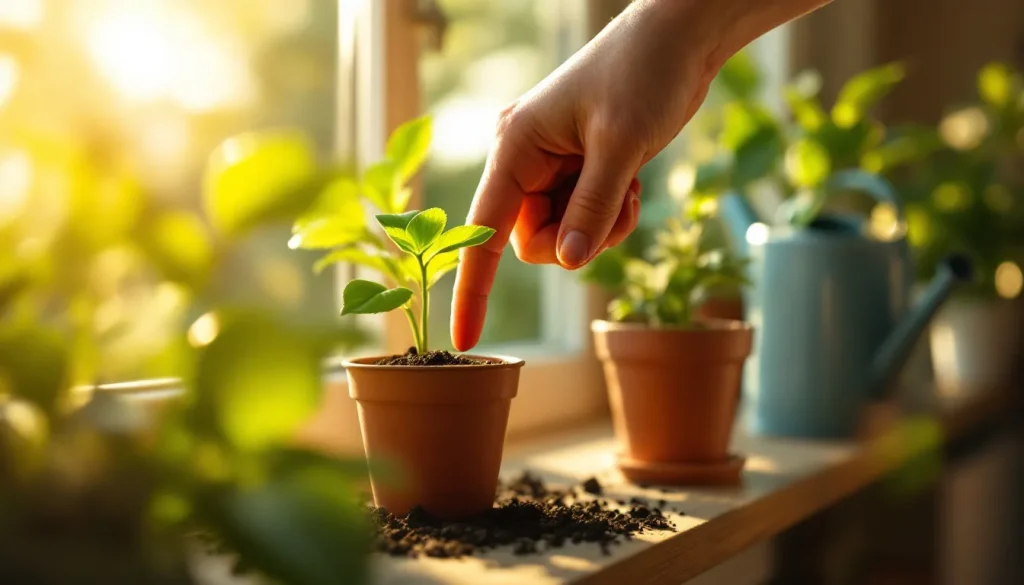
How often you should water plants depends on the plant, its pot, your soil, and the weather, not a fixed calendar date. A safe rough baseline for most container and houseplants is once a week, sometimes every two weeks. The reliable rule: stick a finger 1 to 2 inches into the soil, and water only when that layer feels dry.
Watering on a rigid schedule is the single most common way beginners kill plants. A pot in a hot, dry room dries out in three days, while the same plant in a cool, humid corner stays wet for two weeks. The calendar cannot see that difference. Your finger can.
Use the numbers below as starting points, then let the soil check correct you within the first two weeks.
Watering frequency cheat sheet by plant type
Most guides refuse to give numbers. Here are honest starting points for common plants in average conditions (moderate light, room or mild outdoor temperatures). Treat these as a first guess, then confirm with the finger test before every watering. Frequencies rise in heat and drop in cool or dormant seasons.
| Plant type | Starting frequency | Quick note |
|---|---|---|
| Succulents and cacti | Every 2-3 weeks | Let soil dry out completely first |
| Tropical houseplants (pothos, monstera, ferns) | About once a week | Ferns want steadier moisture |
| Snake plant, ZZ plant | Every 2-3 weeks | Drought-tolerant, easy to overwater |
| Herbs in pots (basil, mint) | Every 2-3 days | Small pots dry fast |
| Vegetable garden beds | 1-2 inches of water per week | Deep soak 1-2 times weekly |
| Outdoor containers and hanging baskets | Daily in summer heat | Small soil volume, high exposure |
| New seedlings | Daily, sometimes twice | Keep top layer consistently moist |
| Newly planted shrubs and trees | 2-3 times per week for the first month | Deep water at the root ball |
| Established lawns | 1-1.5 inches per week | See our new grass seed watering guide for seeding |
The finger test: how to know when a plant needs water
Push a clean finger 1 to 2 inches into the soil near the plant’s base. If that depth feels dry, water thoroughly. If it feels cool and damp, wait and check again in a day or two. This one check replaces every schedule and works for almost any potted plant.
For deeper pots, a wooden chopstick or a cheap moisture meter reads the root zone better than the surface. Soil often looks dry on top while staying soggy underneath, which is exactly how overwatering hides.
Lift the pot too. A pot that feels light for its size is usually dry, and a heavy one still holds water. After a week of doing this you will feel the difference without thinking.
Overwatering vs underwatering: how to tell the difference
Overwatering kills more houseplants than underwatering, and the tricky part is that both can cause wilting and yellow leaves. The deciding clue is the soil. Wilting in bone-dry soil means thirst. Wilting in wet, heavy soil means the roots are drowning and rotting, which mimics drought because damaged roots cannot drink.
| Sign | Underwatering | Overwatering |
|---|---|---|
| Soil | Dry, cracked, pulling from pot edge | Soggy, heavy, sour smell |
| Leaves | Crisp, brown, curling edges | Yellow, soft, translucent |
| Stems | Limp but firm | Mushy, dark at the base |
| Growth | Slow, stunted, dropping older leaves | Root rot, gnats, mold on soil |
| Fix | Water now, more often | Stop, let it dry, check drainage |
When in doubt, wait a day. A thirsty plant recovers within hours of watering. A rotting plant only gets worse if you add more water.
Deep and infrequent beats shallow and frequent
Water deeply until it runs out the drainage holes, then wait until the soil dries before doing it again. Deep, infrequent watering pushes roots downward and builds a stronger plant. Frequent light sprinkles keep moisture at the surface, so roots stay shallow and the plant suffers the moment conditions get hot or dry.
The question is really two questions. “How often” is set by the soil check. “How much” is always the same: soak thoroughly. A pot watered until 10 to 20 percent drains out is fully saturated, which is far better than a daily splash that never reaches the roots.
Indoor houseplants vs outdoor plants: a clean split
Indoor and outdoor plants live in different worlds, so their watering differs sharply. Most indoor houseplants want water every 1 to 2 weeks because rooms are stable and shaded. Outdoor garden beds and containers dry out far faster from sun and wind, often needing water several times a week or daily in peak summer.
Indoor: stable temperature, low light, no rain, slow evaporation. Overwatering is the main risk. Err toward waiting.
Outdoor: sun, wind, and rain swing the soil constantly. In-ground beds hold reserves and need 1-2 inches of water weekly, while exposed containers can dry in a single hot afternoon. Our tomato watering guide shows how one crop’s needs shift with weather.
The environmental math: what shifts frequency up or down
Seven factors decide how fast soil dries, and each nudges your frequency higher or lower. Understanding them lets you predict watering instead of guessing. The biggest movers are heat, light, and pot material.
- Heat and light: a plant in direct sun and 90F heat can need water two to three times more often than the same plant in shade at 65F.
- Low humidity: dry indoor air (winter heating, air conditioning) pulls moisture out faster, raising frequency.
- Pot material: porous terracotta breathes and dries days sooner than sealed plastic or glazed ceramic. A terracotta pot may need water every 4-5 days where plastic lasts a week.
- Pot size: small pots hold little soil and dry within a day or two. Large pots buffer moisture for longer.
- Soil and drainage: fast-draining, sandy or cactus mix dries quickly. Dense, peaty soil holds water and invites rot. Confirm you have enough of the right mix with our note on how much soil you need.
- Season: covered next.
Seasonal adjustment: more in summer, much less in winter
Water more during the spring and summer growing season, and cut back sharply in winter. Most plants slow or go dormant in cold, low-light months, so they drink far less. A houseplant watered weekly in July may want water only every two to three weeks in January, and outdoor beds may need almost none once rain and cool weather arrive.
The mistake is keeping the summer schedule going in winter. Dormant roots sitting in cold, wet soil rot quickly. Always fall back on the finger test, because winter soil stays damp far longer than it looks. During dry spells, our guide on preparing for a drought covers stretching water further outdoors.
Best time of day and how much to give
Water in the early morning, ideally before 10 a.m. Morning watering lets leaves dry before evening, which cuts fungal disease, and it fills the plant before the midday heat drives evaporation. Evening is a distant second choice, and midday watering wastes the most water to evaporation.
For amount, soak until water drains from the bottom of a pot, or apply 1-2 inches of water to garden beds per week (measure with a shallow container under a sprinkler). New seedlings and recent transplants are the exception: keep their top inch consistently moist with daily light watering until roots establish, usually two to four weeks.
Frequently Asked Questions
How often should you water indoor plants?
Most indoor houseplants need water every 1 to 2 weeks, but succulents and snake plants stretch to every 2 to 3 weeks, while thirsty ferns want water more often. Rooms are stable and shaded, so soil dries slowly and overwatering is the main risk. Check the top 1 to 2 inches of soil, and water only when it feels dry.
How often should you water outdoor garden and vegetable plants?
Outdoor vegetable beds generally need 1 to 2 inches of water per week, delivered as one or two deep soaks rather than daily sprinkles. Exposed containers and hanging baskets dry much faster and often need daily watering in summer heat. Adjust with rainfall and temperature, and always soak deeply so roots grow downward instead of staying shallow.
How do you know when a plant needs water?
Push a finger 1 to 2 inches into the soil. If that layer feels dry, it is time to water. If it feels cool and damp, wait. Other signs include a pot that feels light when lifted, soil pulling away from the edges, and slight leaf wilting in dry soil. Check, do not schedule.
Can you water plants every day, or is that too much?
Daily watering is too much for most established potted plants and is a leading cause of root rot. Daily watering is correct only for seedlings, new transplants, small herb pots, and outdoor containers during summer heat. For everything else, water deeply and wait until the top 1 to 2 inches of soil dries before watering again.
How often should you water plants in winter?
Cut watering back sharply in winter. Most plants slow or go dormant in cold, low-light months and drink far less, so a houseplant watered weekly in summer may need water only every 2 to 3 weeks. Cold, wet soil rots dormant roots quickly, so rely on the finger test and let soil dry more between waterings.
What is the best time of day to water plants?
Early morning, before about 10 a.m., is best. Morning watering lets foliage dry before evening (reducing fungal disease) and fills the plant before midday heat drives evaporation. It also means roots have water available during the hottest, most demanding part of the day. Evening is a second choice, and midday watering loses the most to evaporation.
How often should you water succulents and cacti?
Water succulents and cacti roughly every 2 to 3 weeks, and always let the soil dry out completely first. These plants store water in their leaves and stems and rot easily in wet soil. Use a fast-draining cactus mix and a pot with drainage holes. In winter dormancy, many need water only once a month or less.
How can you tell the difference between overwatering and underwatering?
Both cause wilting and yellowing, so check the soil to decide. Wilting in dry, crisp soil means underwatering, and the fix is more water. Wilting in soggy, heavy soil with soft yellow leaves or mushy stems means overwatering and possible root rot, and the fix is to stop, let it dry, and improve drainage. When unsure, wait a day.