
By the HMNDP Editorial Team, independent reporting on lawn care, landscaping, and the green-industry business.
Last reviewed: June 2026
What cocoa mulch is
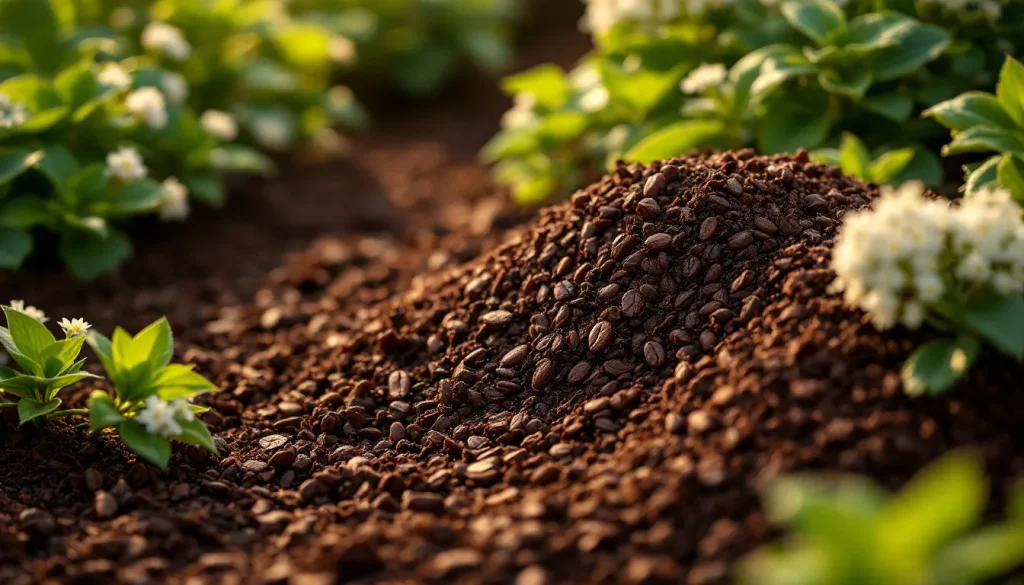
Cocoa mulch, also called cocoa bean shell mulch, is a byproduct of chocolate production made from the outer shells (hulls) of roasted cocoa beans. Processors like Hull Farm and Garden Elements bag the leftover shells after the beans are milled for chocolate. It is a natural material with no added dyes or synthetic fragrances, prized for its dark chocolate-brown color and genuine cocoa aroma that can last one to two weeks after spreading.
The shells are lightweight and thin, closer to a coarse flake than a chunky bark nugget. As they break down, they release nitrogen, phosphorus, and potassium into the soil, which is why gardeners position cocoa mulch as a premium, organic alternative to standard shredded bark.
Is cocoa mulch safe for dogs and pets?
Cocoa mulch is not reliably safe for dogs. It contains theobromine and caffeine, the same stimulants that make chocolate toxic to dogs, because it is made from the same cocoa bean. The ASPCA Animal Poison Control Center warns that dogs attracted by the chocolate smell may eat it. If you own a dog that grazes on garden material, choose a pet-safe alternative like shredded cedar or pine bark instead.
Independent testing has found theobromine concentrations in cocoa bean mulch ranging from roughly 0.19% to nearly 3% by weight, depending on the batch and processing. A determined dog eating a large quantity can ingest a meaningful dose. According to the ASPCA, symptoms typically appear within 6 to 12 hours.
Watch for these signs after suspected ingestion:
- Vomiting and diarrhea
- Muscle tremors or twitching
- Rapid or irregular heart rate
- Restlessness, panting, or excessive thirst
- Seizures in severe cases
If you see these signs, call your veterinarian or the ASPCA Animal Poison Control Center (888-426-4435) right away. Some brands market their cocoa mulch as processed to lower theobromine, but no bagged product is certified non-toxic. The safest rule: if a dog can reach the bed, do not use cocoa mulch there.
Pet-safe alternatives that keep the tidy, dark look include shredded hardwood or cedar bark, pine straw, and rubber-free natural mulches. Our roundup of the best mulch options by type compares these for pet households.
Benefits of cocoa bean mulch
Cocoa bean mulch delivers the same core jobs as any organic mulch while adding curb appeal. Its three practical benefits are moisture retention, weed suppression, and soil enrichment, plus a decorative payoff most bark cannot match. For homes without pets, it is a strong fit for ornamental beds.
- Retains soil moisture: a thin cocoa shell layer slows evaporation, so beds hold water longer between rainfalls or irrigation cycles.
- Suppresses weeds: the shells knit into a dense mat that blocks light to germinating weed seeds, reducing hand-weeding.
- Enriches soil: as the shells decompose, they add organic matter and nutrients (nitrogen, phosphorus, potassium) that feed plants and soil microbes.
- Looks and smells premium: the rich dark brown color and chocolate scent make it a favorite for front-yard flower beds and permaculture ecosystems where appearance matters.
For color-driven decisions in ornamental plantings, see our guide to the best mulch for flower beds.
The real downsides sales pages hide
Cocoa mulch has four drawbacks that product listings rarely spell out: pet toxicity (covered above), mold growth, poor performance on slopes, and fast decomposition at a premium price. Knowing these before you buy prevents wasted money and disappointing beds.
Mold and white fungus: in warm, humid weather, a harmless white mold (often a saprophytic fungus) commonly blooms across the surface within days of application. It is cosmetic and disappears when raked and dried, but it surprises first-time buyers.
Washes away on slopes: the shells are light and can float or blow off in heavy rain and wind. Cocoa mulch performs best on flat, sheltered beds, not banks or exposed borders.
Decomposes fast: because the shells are thin, cocoa mulch breaks down faster than bark and usually needs topping up every season rather than every two to three years.
Costs more: per square foot covered, cocoa mulch typically runs several times the price of shredded bark.
Cocoa mulch cost, coverage, and how deep to apply it
Cocoa mulch typically costs $15 to $30 per bag, far more than the $3 to $6 a comparable bag of shredded bark runs. Bags are usually sold by weight (often around a 2 cubic foot equivalent). Apply it about 1 inch deep, thinner than the 2 to 3 inches used for bark, because the shells mat tightly and can suffocate soil if piled thicker.
Coverage math: 1 cubic foot spread at 1 inch deep covers about 12 square feet, so a 2 cubic foot bag covers roughly 24 square feet at the recommended depth. Because cocoa mulch goes on thinner than bark, each bag stretches further than the same volume of wood mulch.
Follow these steps to apply it:
- Clear weeds and rake the bed smooth.
- Water the soil lightly so the shells settle rather than blow away.
- Spread cocoa mulch to a 1 inch depth, keeping it 1 to 2 inches back from plant stems and trunks.
- Mist the surface after spreading to help the shells bind into a mat.
- Rake lightly and re-mist if white mold appears in the first weeks.
Plan to refresh a thin top layer each spring. A full 1 inch application generally lasts one growing season before it thins noticeably.
Where to buy cocoa shell mulch near me
Cocoa shell mulch is a specialty product, so it is easier to find bagged online than on every garden-center shelf. Look for named brands like Garden Elements and Hull Farm, and check big-box and regional chains such as Menards, plus Amazon and independent nurseries. Call local garden centers before driving, since stock is seasonal and often sells out in spring.
| Where to look | What you will find |
|---|---|
| Menards and regional home centers | Bagged cocoa bean shell mulch in spring, limited seasonal stock |
| Amazon and online retailers | Garden Elements, Hull Farm, and similar brands shipped by the bag |
| Independent garden centers and nurseries | Best local option; call ahead to confirm current stock |
| Landscape supply yards | Occasional bulk or bagged supply for pros and larger beds |
For sourcing this alongside soil amendments and feed, our directories of lawn-care stores and pro distributors and where to buy pro-grade lawn fertilizer help you consolidate a single supply trip.
Cocoa mulch vs bark and wood mulch
Cocoa mulch wins on looks, smell, and nutrient release, but bark and wood mulch win on cost, longevity, slope stability, and pet safety. For a pet-free ornamental bed on flat ground, cocoa mulch is a reasonable premium choice. For durability, budget, or any yard with dogs, shredded bark is the safer default.
| Factor | Cocoa mulch | Bark / wood mulch |
|---|---|---|
| Typical cost per bag | $15 to $30 | $3 to $6 |
| Application depth | ~1 inch | 2 to 3 inches |
| Lifespan before refresh | About 1 season | 2 to 3 years |
| Pet safety | Toxic risk to dogs (theobromine) | Generally pet-safe (cedar, pine, hardwood) |
| Slope performance | Poor, washes and blows away | Good, heavier and stays put |
| Appearance and scent | Rich dark color, chocolate aroma | Varies by wood; no scent |
| Soil enrichment | Fast nutrient release | Slower, mostly organic matter |
Frequently Asked Questions
Is cocoa mulch safe for dogs and pets?
Not reliably. Cocoa mulch contains theobromine and caffeine, the compounds that make chocolate toxic to dogs, and its chocolate smell can tempt them to eat it. The ASPCA warns of vomiting, tremors, rapid heart rate, and seizures after ingestion. If your dog reaches your beds, use a pet-safe alternative like cedar or pine bark instead.
What are the pros and cons of cocoa bean mulch?
Pros: it retains soil moisture, suppresses weeds, enriches soil with nitrogen and potassium as it decomposes, and offers a rich dark color and chocolate scent. Cons: it can be toxic to dogs, grows harmless white mold in humid weather, washes off slopes, breaks down within a season, and costs several times more than bark mulch per square foot covered.
How much does cocoa mulch cost?
Cocoa mulch typically costs $15 to $30 per bag, compared with $3 to $6 for a similar bag of shredded bark. Bags are often sold by weight around a 2 cubic foot equivalent, covering about 24 square feet at the recommended 1 inch depth. Because it goes on thinner than bark, each bag stretches further, but it still costs more per bed overall.
Where can I buy cocoa shell mulch near me?
Check Menards and regional home centers in spring, Amazon and online retailers for brands like Garden Elements and Hull Farm, and independent garden centers and landscape supply yards. Because it is a seasonal specialty product that sells out fast, call local nurseries to confirm stock before visiting rather than assuming it is on the shelf.
How do you apply cocoa mulch and how deep should it be?
Apply cocoa mulch about 1 inch deep, thinner than the 2 to 3 inches used for bark, because the shells mat tightly. Clear weeds, water the soil, spread the shells while keeping them 1 to 2 inches off plant stems, then mist the surface so they bind into a mat. Refresh a thin top layer each spring.
Does cocoa mulch grow mold or white fungus?
Yes, commonly. In warm, humid weather a harmless white saprophytic mold often blooms on the surface within days of application. It does not harm plants and disappears once you rake the mulch and let it dry. To reduce it, apply cocoa mulch in a thin layer, improve airflow, and avoid overwatering the bed surface.
How long does cocoa mulch last before it needs replacing?
Cocoa mulch generally lasts about one growing season before it thins noticeably. Because the shells are thin, they decompose faster than bark, which can last two to three years. Plan to top up a thin fresh layer each spring to maintain color and coverage. The upside is faster nutrient release into the soil as it breaks down.
Is cocoa mulch better than regular bark or wood mulch?
It depends on your yard. Cocoa mulch wins on color, scent, and fast nutrient release, making it attractive for pet-free ornamental beds on flat ground. Bark and wood mulch win on cost, longevity, slope stability, and pet safety. If you own dogs or want durability on a budget, shredded bark is the safer, cheaper default.