
Hosta Flowers: Cut or Keep, Bloom Timing, and Care
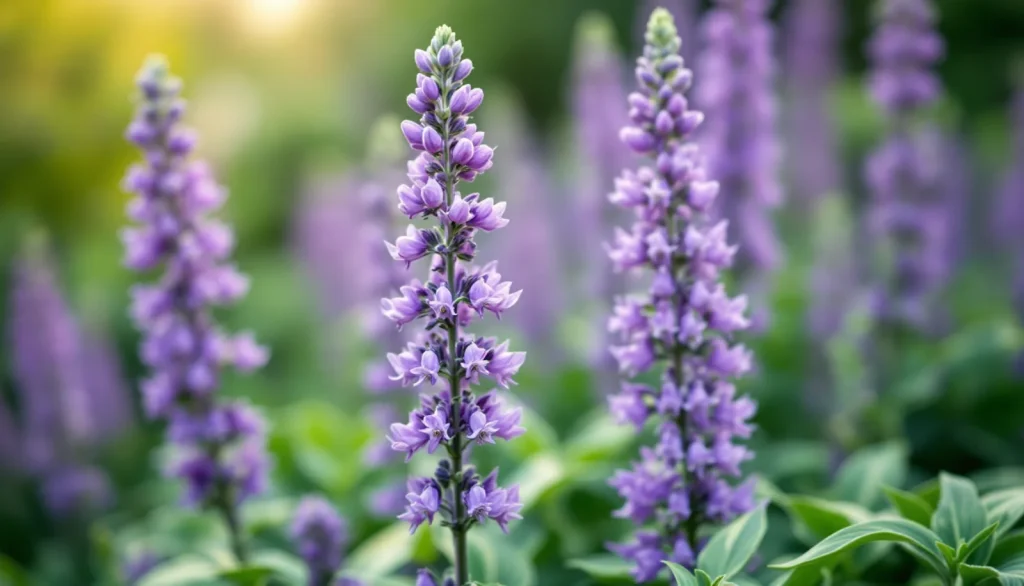
Hosta flowers are the tall, trumpet-shaped blooms that rise on bare stalks (called scapes) above the foliage from late spring through late summer, usually in white, lavender, or pale purple. Most are lightly scented or scentless, though the Hosta plantaginea group is strongly fragrant. Whether you keep them or cut them comes down to one question: what do you want the plant to spend its energy on this year. This guide gives you a decision table for that, plus the shade and bloom specifics most pages skip.
When do hosta flowers bloom?
Hosta flowers bloom from late spring through late summer, with the exact window set by the cultivar. Early types open in late May or June, mid-season types peak in July, and late bloomers like Hosta plantaginea wait until August or September. A warm spring can pull blooms earlier; a cool, wet season pushes them later. Each individual flower lasts only one day, similar to a daylily.
The single-day flower is why the bloom display still lasts weeks. A mature plant can push 10 or more scapes, each carrying roughly 40 to 50 buds that open in sequence over four to six weeks. So the plant is never in full flower at once, but it is rarely without an open bloom during its window.
| Bloom timing | Typical months | Examples | Notes |
|---|---|---|---|
| Early | Late May to June | Many blue-leaf and small types | Opens before peak summer heat |
| Mid-season | July | Most common garden hostas | The bulk of named cultivars |
| Late | August to September | Hosta plantaginea, ‘Royal Standard’, ‘Honeybells’ | Includes the fragrant group |
What do hosta flowers look like, and which ones smell?
Hosta flowers are funnel or bell-shaped, about 0.75 to 2 inches long, hanging from upright scapes that range from a few inches on miniatures to over 5 feet on ‘Empress Wu’. Colors run white, cream, lavender, and pale purple, with breeding work adding pink and yellow tints. Most carry little or no scent. The exception is the Hosta plantaginea group, prized for large white flowers with a strong, sweet perfume.
If fragrance is the goal, choose by parentage. Hosta plantaginea itself opens 3 to 4 inch white flowers in the evening, and its hybrids carry that trait. The most reliably fragrant named cultivars include ‘Aphrodite’, ‘Royal Standard’, ‘Guacamole’, ‘Fragrant Bouquet’ (a gardenia-like scent), ‘Honeybells’, and ‘Fragrant Gold’. These bloom in late summer, which is why a fragrant hosta planting peaks when most others have finished.
Should I cut hosta flowers off? The decision table
Cut hosta flowers if your priority is fuller foliage, because flowering and seed-setting pull energy away from leaves and roots. Keep them if you want pollinators, cut-flower stems, fragrance, or seed. There is no single right answer. The choice depends on your goal, and the table below maps each goal to the action and the right timing.
| Your goal | Cut or keep | When to act |
|---|---|---|
| Fullest, lushest foliage | Cut the scapes | As scapes emerge, before buds open, to redirect energy to leaves and roots |
| Plant vigor but still enjoy some bloom | Let it flower, then cut | The American Hosta Society suggests cutting each scape after about three-fourths of its buds have opened, which prevents seed set |
| Pollinators (bees, hummingbirds) | Keep the flowers | Leave scapes for the full bloom, then cut spent stalks at the base |
| Cut stems for arrangements | Cut for the vase | Snip a scape when about two flowers are open; the rest open indoors over roughly two weeks |
| Fragrance near a patio or path | Keep the flowers | Plant a Hosta plantaginea type and leave it to bloom in late summer |
| Saving seed | Keep the scapes | Leave them until seed pods form and dry on the stalk |
However you decide, cut with pruning shears, not by hand. Pulling a scape can tear the crown and damage the plant. Snip near the point where the scape meets the leafy base.
How to deadhead a hosta after it blooms
To deadhead a hosta, cut each finished flower stalk down to the base of the plant once the blooms fade and the scape starts to brown. This stops the plant from spending energy on dying flowers and seed pods, sending those resources back into foliage and roots instead. Many gardeners pair this with a midsummer feed.
- Wait until most flowers on the scape have faded or the stalk begins to brown.
- Trace the scape down to where it meets the crown of leaves.
- Cut it cleanly at the base with sharp, clean pruning shears.
- Remove the cut scape so it does not rot into the crown.
- If desired, apply a balanced fertilizer (equal nitrogen, phosphorus, and potassium) to support late-season leaf growth.
Why won’t my hosta flower? Shade, feed, and age
Hostas fail to flower mostly because of too little light, too much nitrogen, or plant immaturity. Hostas are shade-tolerant, but deep shade gives you leaves, not blooms. Most need a few hours of morning sun, and the fragrant Hosta plantaginea group needs more sun than blue-leaf types to set scapes at all. Slug damage to emerging stalks and frost can also cost you a season’s flowers.
Light is the lever most gardeners can actually move. The table below gives realistic bloom expectations by exposure. Blue-leaf hostas keep their color best in shade but bloom sparsely there; gold and fragrant types want brighter spots. If your hosta lives in dense, dry shade and you want both grass and shade-bed plants to perform, our guide to growing in shade, slopes, and compacted soil covers how to read your site’s light.
| Exposure | Foliage result | Bloom result |
|---|---|---|
| Deep, full shade | Good leaf color, can stay thin | Few or no flowers |
| Morning sun, afternoon shade | Strong for most cultivars | Reliable bloom for mid-season types |
| Several hours of direct sun | Best for gold and fragrant types, may scorch blue-leaf | Needed to flower Hosta plantaginea group well |
Two more causes are worth checking. Excess nitrogen, common if a hosta sits in a lawn-feed overspray zone, pushes leaf growth at the expense of buds; ease off high-nitrogen feed and keep moisture even through budding, since drought-then-flood swings make buds drop. Maturity matters too: some large cultivars take several seasons to reach blooming size, and a few will not flower until they are nearly full grown. For matching feed to the plant rather than the lawn, see our NPK fertilizer guide.
Are hosta flowers safe around pets?
No. Hostas, including the flowers, are listed by the ASPCA as toxic to dogs, cats, and horses. The toxic compounds are saponins. A pet that eats hosta can show vomiting, diarrhea, and lethargy or depression. The plant is not generally a danger to humans (the shoots are eaten as a vegetable in Japan, called sansai), but treat it as off-limits for pets.
If a dog or cat eats any part of a hosta, call your veterinarian or the ASPCA Animal Poison Control Center at (888) 426-4435. Symptoms are usually digestive rather than life-threatening, but a vet should confirm. If pets graze your beds, site hostas where animals do not roam, or choose pet-safe shade plants instead.
Designing with hosta flowers
Hosta flowers add vertical height and a wave of cool color above mounded foliage, and they pull in bees and hummingbirds during their bloom window. Use them to break up the texture of a shade bed, to scent a walkway with a fragrant plantaginea type, or as a long-lasting cut stem indoors. Pair them with ferns, astilbe, and heuchera for a layered shade planting.
For a cohesive shade garden, treat hostas as one layer in a broader plan. Our yard design guide covers layout, plant selection, and how to phase a planting so the shade bed reads as a whole rather than a collection. If you are hiring out the install or a seasonal cleanup that includes deadheading, our checklist on how to find a reputable landscaper lists what to verify before you sign.
Related coverage
- How to get grass to grow in shade
- NPK fertilizer guide
- Yard design guide for 2026
- How to find a reputable landscaper
Last reviewed: June 2026
HMNDP Editorial Team, reviewed by HMNDP turf and horticulture editors.
Frequently asked questions
Should I cut off hosta flowers?
Cut them if you want fuller foliage, because flowering and seed set pull energy from leaves and roots. Keep them if you want pollinators, cut stems, fragrance, or seed. The American Hosta Society suggests a middle path: let the scape bloom, then cut it after about three-fourths of its buds have opened to stop seed production.
When do hostas bloom?
Hostas bloom from late spring through late summer depending on the cultivar. Early types open in late May or June, mid-season types peak in July, and late bloomers like Hosta plantaginea wait until August or September. Each flower lasts only one day, but a plant can carry 10 or more scapes that bloom in sequence for four to six weeks.
Which hostas have fragrant flowers?
Fragrance comes from the Hosta plantaginea group, which opens large white flowers with a sweet scent in late summer. Reliably fragrant named cultivars include ‘Aphrodite’, ‘Royal Standard’, ‘Guacamole’, ‘Fragrant Bouquet’, ‘Honeybells’, and ‘Fragrant Gold’. These types need more sun than blue-leaf hostas to set their scapes and bloom well.
Why won’t my hosta flower?
The most common cause is too little light, since deep shade gives leaves instead of blooms. Other causes include too much nitrogen, plant immaturity (some large cultivars take several seasons to reach blooming size), slug damage to emerging stalks, and frost. Move the plant to morning sun, ease off high-nitrogen feed, and keep moisture even through budding.
How do you deadhead a hosta?
Cut each finished flower stalk down to the base of the plant once the blooms fade and the scape begins to brown. Use sharp, clean pruning shears, not your hand, because pulling can tear the crown. Remove the cut scape so it does not rot into the leaves. This redirects energy back into foliage and roots for next season.
Are hosta flowers poisonous to dogs and cats?
Yes. The ASPCA lists hostas, including the flowers, as toxic to dogs, cats, and horses due to saponins. A pet that eats hosta may show vomiting, diarrhea, and lethargy. Hostas are not generally harmful to humans. If a pet ingests any part, call your vet or ASPCA Animal Poison Control at (888) 426-4435.
Do hosta flowers attract pollinators?
Yes. Hosta flowers attract bees and hummingbirds during their bloom window, which is one reason to leave the scapes rather than cut them. If pollinator support matters in your garden, let the plant flower fully and only remove the spent stalks once the blooms have finished and the scape starts to brown.
Can you use hosta flowers in arrangements?
Yes. The tall scapes of tubular blooms add height to arrangements and have a surprisingly long vase life. Cut a scape when about two of its flowers are open; the remaining buds open indoors over roughly two weeks. Use pruning shears and cut near the base where the scape meets the leafy crown.