
By the HMNDP Editorial Team. Last reviewed: June 2026.
What the lemon grass plant is
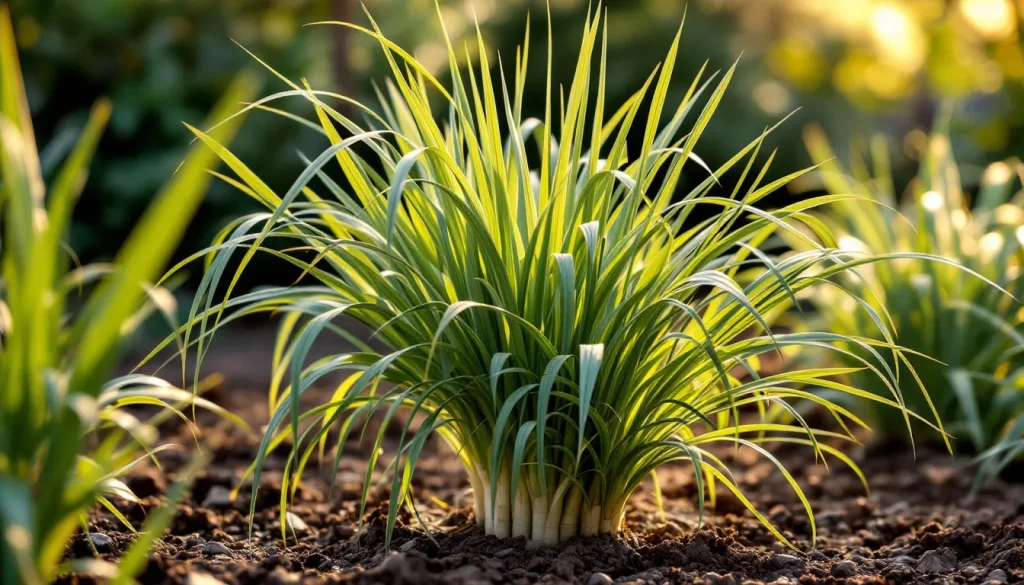
The lemon grass plant is a tender perennial grass in the genus Cymbopogon, with culinary lemongrass being the species Cymbopogon citratus. It forms a dense clump of upright, blade-like leaves and thick basal stalks, grows fastest in summer heat, and carries a strong lemon scent from the oil citral. Gardeners use the swollen lower stalks in cooking and the leaves in tea.
It is native to tropical South and Southeast Asia and behaves like a warm-season grass. Growth slows below 50 F and stops near freezing. The plant is grown as a foliage herb, not for flowers, which rarely appear in temperate gardens.
Hardiness: where lemongrass survives winter
Lemongrass is a perennial only in USDA hardiness zones 9, 10, and 11, where winter lows stay above roughly 20 F to 25 F. In zones 8 and colder, which covers most of the continental US, it is grown as a warm-season annual or dug up and overwintered indoors. Frost kills exposed top growth, and a hard freeze kills the crown.
| USDA zone | Typical winter low | How to treat lemongrass |
|---|---|---|
| 9 to 11 | Above 20 to 25 F | Perennial; mulch the crown, may die back and regrow |
| 8 | 10 to 20 F | Marginal; heavy mulch or dig up to be safe |
| 3 to 7 | Below 10 F | Grow as annual or overwinter indoors in a pot |
Sun, soil, and heat: the growing conditions lemongrass needs
Lemongrass needs full sun (at least 6 to 8 hours of direct light daily) and well-drained, rich loamy soil with a pH near 6.0 to 7.0. It is heat-loving and grows hardest when daytime temperatures sit between 75 F and 95 F. Poor light produces thin, floppy stalks; soggy soil rots the crown.
Work 2 to 3 inches of compost into the bed before planting to feed the heavy summer growth. In containers, use a free-draining potting mix rather than garden soil. For feeding, a balanced or nitrogen-forward product keeps the blades green; the same logic behind picking the right fertilizer for grass applies, since lemongrass is a grass.
How to grow and plant lemongrass
Plant lemongrass outdoors only after the last spring frost, once soil reaches 60 F or warmer. Set plants 24 to 36 inches apart to allow for clumping, water them in, and keep the soil evenly moist for the first two to three weeks. From a started plant, expect harvest-ready stalks in roughly 75 to 100 days of warm weather.
- Wait until nighttime lows stay above 50 F and the last frost date has passed.
- Dig a hole the depth of the root ball in a full-sun bed with rich, well-drained soil.
- Space multiple plants 24 to 36 inches apart, since one plant can spread to 3 feet wide.
- Water deeply, then mulch lightly to hold moisture.
- Fertilize every 3 to 4 weeks through summer with a nitrogen-forward feed.
You can also propagate for free. Root supermarket stalks (with the base intact) in a glass of water on a sunny sill; white roots appear in 1 to 3 weeks, then pot them up. Building healthy soil first pays off, and an organic fertilizer for the vegetable garden works well for an edible herb you plan to eat.
Watering, mature size, and growth habit
Lemongrass likes consistent moisture and does not tolerate drought well; water when the top inch of soil dries, about 1 to 2 inches per week in summer. A mature clump reaches 3 to 5 feet tall and 2 to 3 feet wide in a single season, growing as an expanding fountain of arching blades. Containers dry faster and may need daily summer watering.
Because it dislikes drying out, mulch and steady irrigation matter more than for many herbs. If you garden in a hot, dry region, the principles in our guide to the best garden fertilizer for drought conditions can help the clump stay vigorous through heat stress.
How and when to harvest and store lemongrass
Harvest lemongrass once stalks reach about 12 inches tall and pencil thickness, usually mid to late summer. Cut or twist whole stalks at ground level, choosing the thick outer ones first. The tender pale base (the bottom 3 to 6 inches) is the part used in cooking; the tough green tops flavor tea and broth.
Store fresh stalks in the refrigerator for up to 2 to 3 weeks wrapped in a damp paper towel, or freeze whole stalks for up to 6 months. Dried leaves keep for tea in an airtight jar for about a year. Harvesting regularly through the season encourages the clump to push more stalks.
Culinary and herbal uses
Lemongrass adds bright citrus flavor without acidity. The crushed white stalk base seasons Thai, Vietnamese, and Indonesian dishes such as curries, soups, and marinades. The leaves steep into a caffeine-free herbal tea. Lemongrass essential oil, distilled from the plant, is used in aromatherapy and personal-care products for its lemon scent.
To cook with a stalk, peel off the dry outer layers, bruise the base with the flat of a knife to release the oils, then mince it finely or add it whole and remove before serving. The flavor lives in the oil, so bruising matters.
Does the lemongrass plant repel mosquitoes? Citronella, explained
A living lemongrass plant does not meaningfully repel mosquitoes. Repellency comes from citronella oil, which must be crushed out or distilled and applied to skin or burned; an undisturbed clump in the garden releases little of it into the air. This is the single most repeated error in lemongrass content online, and it sets up false expectations.
There is also a species mix-up. Culinary lemongrass is Cymbopogon citratus. Citronella grass, the source of commercial citronella oil, is the related but distinct Cymbopogon nardus (and C. winterianus). They look similar but are not the same plant.
| Trait | Culinary lemongrass (C. citratus) | Citronella grass (C. nardus) |
|---|---|---|
| Main use | Cooking and tea | Citronella oil for repellents |
| Stalk | Thick, tender, edible base | Reddish, tougher, not eaten |
| Mosquito effect | Minimal even when crushed | Repellent only as extracted oil |
Peer-reviewed work, including studies summarized by the EPA on plant-based repellents, shows that even applied citronella oil offers shorter protection than DEET and evaporates within an hour or two. A planted clump is not bug control.
Growing lemongrass indoors and in containers
Container growing is how cold-climate gardeners keep lemongrass year after year. Use a pot at least 12 to 16 inches wide (5 gallons or larger) with drainage holes, since the clump expands fast and a small pot stunts it. Outdoors in summer it wants full sun; indoors it needs the brightest window you have or a grow light.
Indoors, give lemongrass 6 or more hours of bright light, keep temperatures above 60 F, and water when the surface dries. Growth slows in winter, which is normal. A south-facing window or a 4-tube fluorescent or LED grow light run 12 to 14 hours a day keeps it alive until spring.
The overwintering playbook competitors skip
For most US growers (anyone in zones 3 through 8), overwintering is the whole game, and generic guides ignore it. The reliable method is to dig up the clump before the first fall frost, pot it, and hold it indoors as a semi-dormant houseplant, then divide and replant after the last spring frost. Here is the concrete sequence.
- Two to three weeks before your average first frost date, dig up the clump with a spade, keeping a rootball.
- Cut the foliage back to about 6 to 12 inches to reduce moisture loss and make it manageable.
- Divide oversized clumps now: pull or cut into sections, each with roots and a few stalks.
- Pot a division into a 12-inch or larger container with free-draining mix; water once.
- Move it indoors before nights drop below 40 F, to a bright window or under a grow light at 60 F or warmer.
- Water sparingly through winter (let the surface dry) and do not fertilize until late winter.
- After your last spring frost, harden it off outdoors over a week, then plant or repot. Divide again if crowded.
Alternatively, in zones 8 to 9 you can leave the clump in the ground and pile 4 to 6 inches of mulch over the crown after cutting it back; it may die to the ground and resprout in spring. In colder zones, the dig-and-pot route is the dependable one.
A zone-by-zone seasonal calendar
This frost-date-driven calendar tells you when to plant out, harvest, and rescue lemongrass before winter. Dates shift with your local first and last frost, so anchor the actions to those frost dates rather than fixed calendar days. The colder your zone, the shorter your outdoor harvest window.
| Zone | Plant out | Harvest window | Dig up / protect |
|---|---|---|---|
| 9 to 11 | Late winter to spring | Most of the year | Mulch crown; usually stays outside |
| 7 to 8 | After last frost (Apr to May) | July to October | Heavy mulch or dig up before first frost |
| 5 to 6 | Late May to early June | August to September | Dig and pot 2 to 3 weeks before first frost |
| 3 to 4 | Early June | Late August to September | Bring indoors early; treat as annual if simpler |
Where and how to buy lemongrass plants
You can buy lemongrass three ways: as a potted plant from a garden center or online nursery in spring, as live stalks from a grocery store or Asian market to root yourself, or rarely from seed (slow and less reliable). Potted starts give the fastest harvest; rooting grocery stalks is the cheapest path.
Garden centers, big-box nurseries, and mail-order herb suppliers stock potted lemongrass from spring through early summer. When buying live stalks to propagate, pick firm ones with the bulbous base still attached, since cut-off bases will not root. For more growing guides, see the HMNDP Learn library.
Frequently Asked Questions
Is lemongrass a perennial or an annual?
Lemongrass is a tender perennial, but it survives winter outdoors only in USDA zones 9 to 11, where lows stay above about 20 to 25 F. In zones 8 and colder, gardeners either grow it as a warm-season annual and let frost kill it, or dig it up and overwinter the clump indoors in a pot, then replant in spring.
What USDA zones can lemongrass grow in?
Lemongrass grows outdoors in summer in nearly every US zone, but it is winter-hardy as a perennial only in zones 9, 10, and 11. In zones 3 through 8 it is grown as an annual or moved indoors before frost. The colder the zone, the shorter the outdoor harvest window and the more important overwintering becomes.
How do you grow lemongrass at home?
Plant lemongrass in full sun and rich, well-drained soil after the last spring frost, spacing plants 24 to 36 inches apart. Keep the soil evenly moist, water 1 to 2 inches per week, and feed every 3 to 4 weeks in summer. You can also root grocery-store stalks in water on a sunny windowsill before potting them up.
How do you overwinter lemongrass in cold climates?
Two to three weeks before your first fall frost, dig up the clump, cut foliage to 6 to 12 inches, and divide it. Pot a division in a 12-inch container, move it indoors to a bright window or grow light kept above 60 F, and water sparingly. After the last spring frost, harden it off and replant outside.
How and when do you harvest lemongrass stalks?
Harvest in mid to late summer once stalks reach about 12 inches tall and pencil thickness. Cut or twist whole stalks at ground level, taking the thick outer ones first. The tender pale base (bottom 3 to 6 inches) is used in cooking. Regular harvesting through the season encourages the clump to produce more stalks.
Does the lemongrass plant actually repel mosquitoes?
A living lemongrass plant does not effectively repel mosquitoes. The repellent compound, citronella oil, only works when crushed out of the leaves or distilled and applied to skin or burned. An untouched clump releases very little into the air. Even applied citronella oil protects for only one to two hours, far less than DEET, per EPA-summarized research.
How is lemongrass different from citronella grass?
Culinary lemongrass is Cymbopogon citratus, prized for its tender, edible stalk base used in cooking and tea. Citronella grass is the related species Cymbopogon nardus (and C. winterianus), grown to distill commercial citronella oil and not eaten. They look similar but are different plants, and only citronella grass is a meaningful source of repellent oil.
Can you grow lemongrass indoors or in containers?
Yes. Use a container at least 12 to 16 inches wide (5 gallons or larger) with drainage holes, since the clump expands fast. Indoors, give it 6 or more hours of bright light from a south window or a grow light run 12 to 14 hours daily, keep it above 60 F, and water when the surface dries. Growth slows in winter, which is normal.